Expert Water Heater Installation in Douglas County
New water heater installation by a licensed Colorado plumber. Same-day availability for urgent replacements. All brands, all configurations, across Douglas County.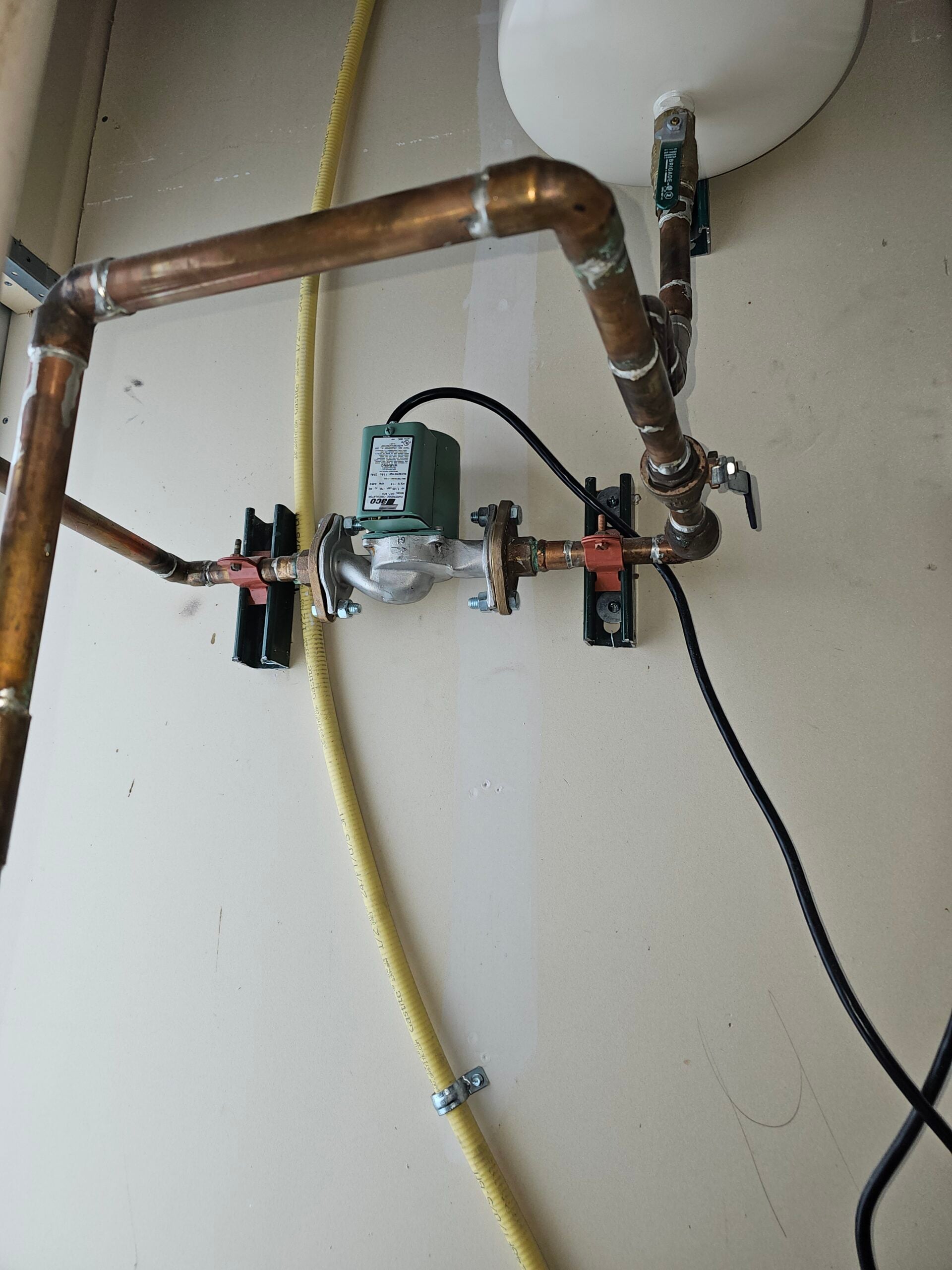
Why Titan Plumbing
for Water Heater Installation in Douglas County
Whether you are upgrading an aging unit, installing a water heater in a new home, or replacing one that failed unexpectedly, Titan Plumbing Services LLC handles the full installation from start to finish. We size the unit correctly for your household, install to code, and test everything before leaving.- Correct Sizing Every TimeWe calculate the right capacity for your household size and usage patterns so you never run short of hot water.
- Code-Compliant InstallationAll installations meet Colorado plumbing code requirements and manufacturer specifications.
- Old Unit Removal IncludedWe disconnect, drain, and haul away your old water heater at no extra charge.
- Same-Day Installation AvailableEmergency or urgent installations can often be completed the same day you call.
How do I choose the right size water heater?
Size is based on how much hot water your household uses at peak times, not just the number of people. A family of two to three usually does well with a 40 gallon tank, three to four people with a 50 gallon tank, and larger households or homes with big soaking tubs may need 75 gallons or a tankless system.
We also look at the first hour rating, which tells you how much hot water the heater can deliver in one busy hour. That number matters more than tank size when several showers run back to back.
Gas or electric: which water heater is better for my home?
If your home already has natural gas, a gas water heater usually recovers faster and costs less to run. Electric units are simpler to install where there is no gas line and can be a good fit for condos and smaller homes. Heat pump water heaters are another efficient electric option when there is enough space and airflow around the unit.
We explain the operating cost and installation requirements for each option so you can decide with confidence.
What does a code-compliant water heater installation include?
A proper installation is more than connecting pipes. Depending on the home, it includes:
- Correct venting for gas units, sized for the heater and altitude
- A temperature and pressure relief valve with a discharge line to a safe location
- A thermal expansion tank where the water system is closed by a pressure reducing valve or backflow device
- A drain pan where required and proper clearances
- Gas sediment trap, shutoff valve and leak testing
- A permit and inspection when required by your town
How long does a water heater installation take?
Most standard tank installations take three to four hours, including removing the old unit, setting the new one, venting, connections and testing. Switching from gas to electric, relocating the heater or upgrading to tankless takes longer, and we give you a clear timeline with your flat-rate quote.
What maintenance does a new water heater need?
A new tank water heater needs very little: flush it once a year to remove sediment, test the relief valve, and have the anode rod checked every few years. Keeping the thermostat around 120 degrees Fahrenheit saves energy and reduces scald risk. These simple steps help a new heater reach or exceed its expected lifespan, and we explain each one when we finish the installation.
From Your Call to
Problem Solved
Water Heater Installation FAQs
Answered by Our Licensed Plumber
Have a question not listed here?
Call us directly and our licensed plumber will answer immediately, with no hold queues or automated menus. Call (720) 236-3399Water Heater Installation Service? Call Titan Plumbing Services LLC now. A licensed plumber answers 24 hours a day, 7 days a week. Serving Castle Rock, Parker, Highlands Ranch, Lone Tree, and all of Douglas County, Colorado.